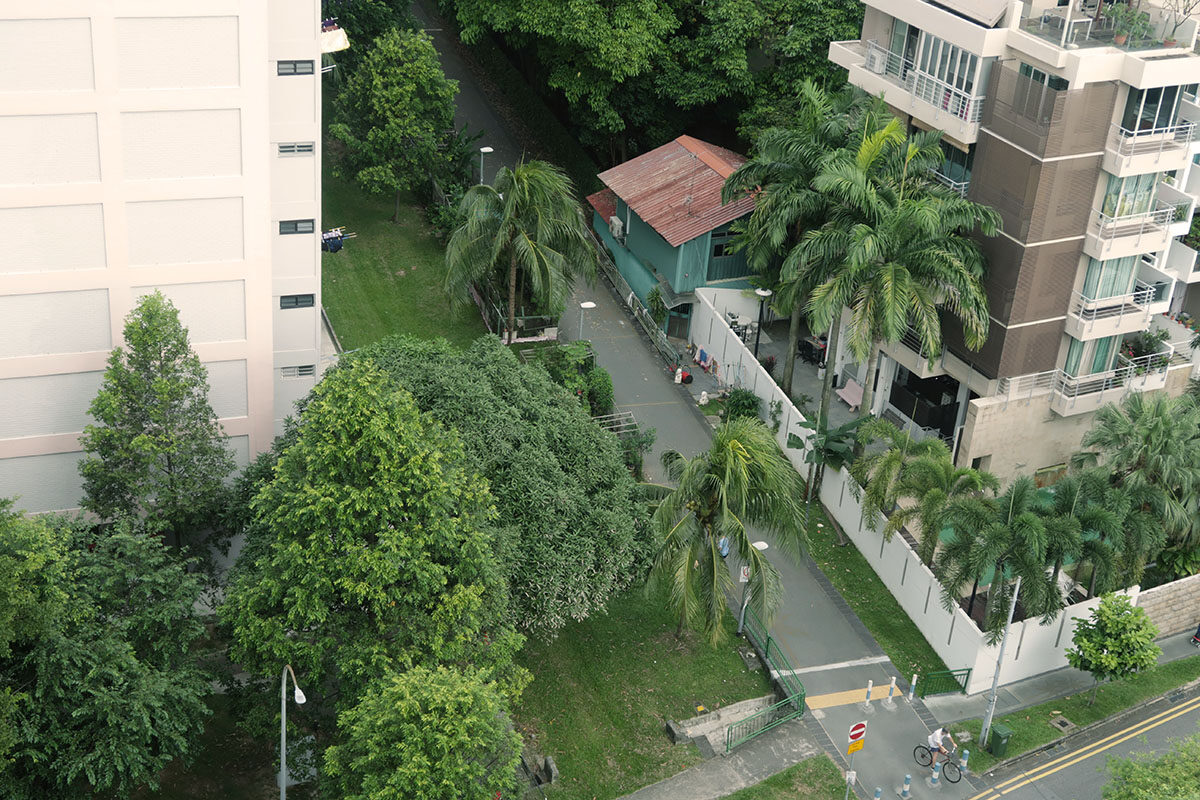
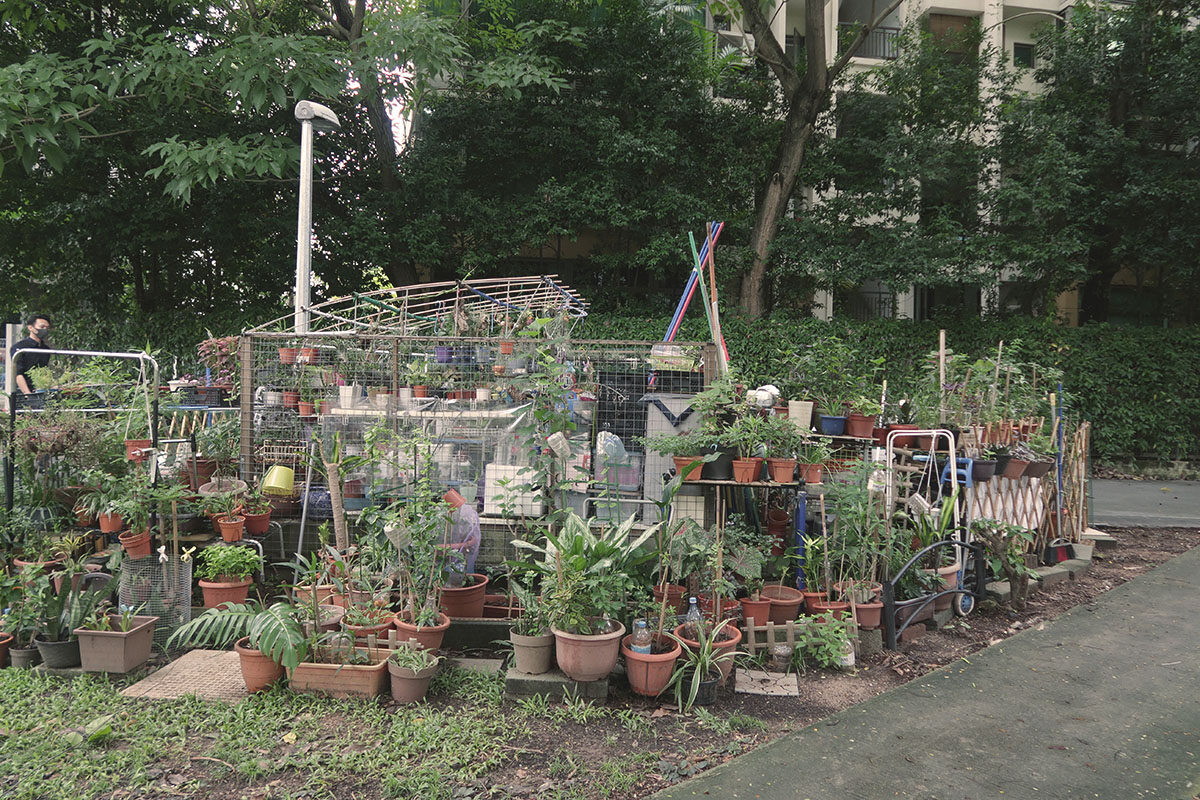
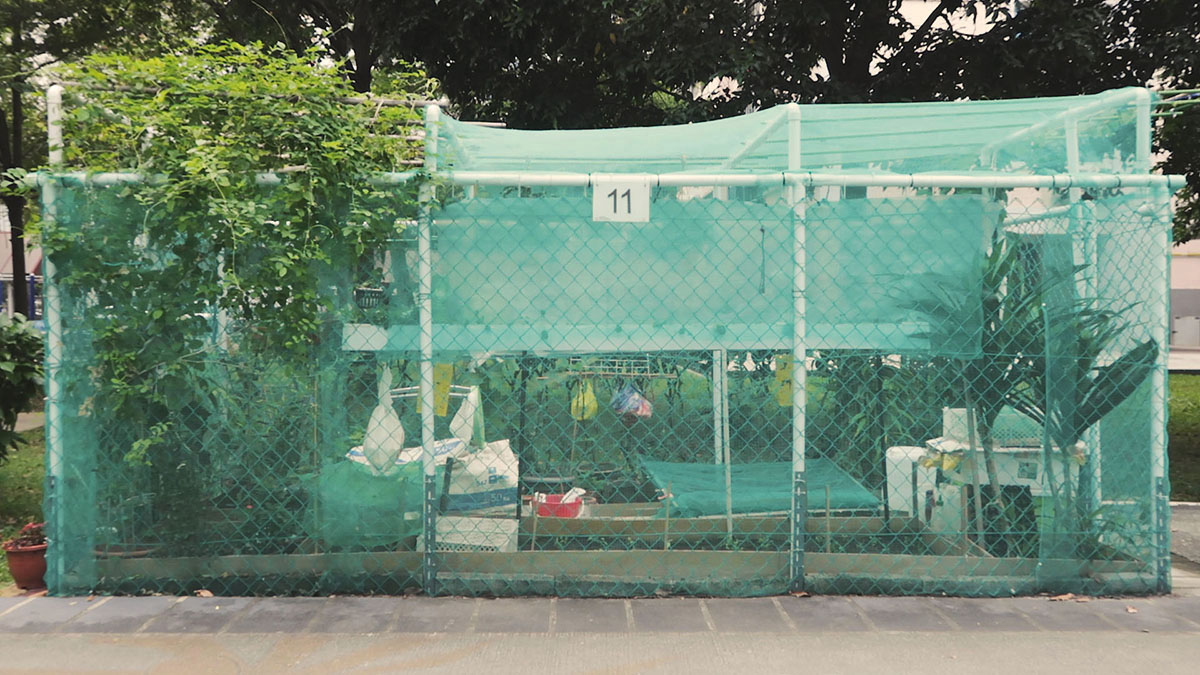
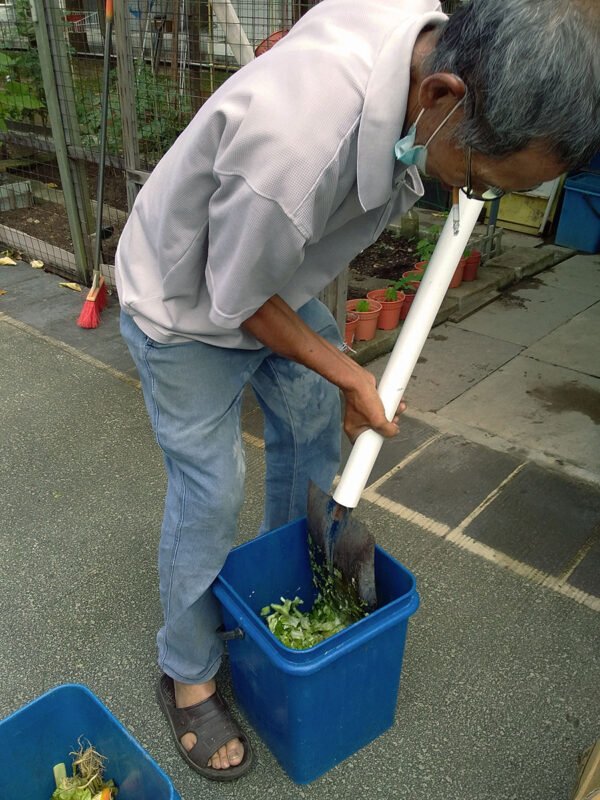
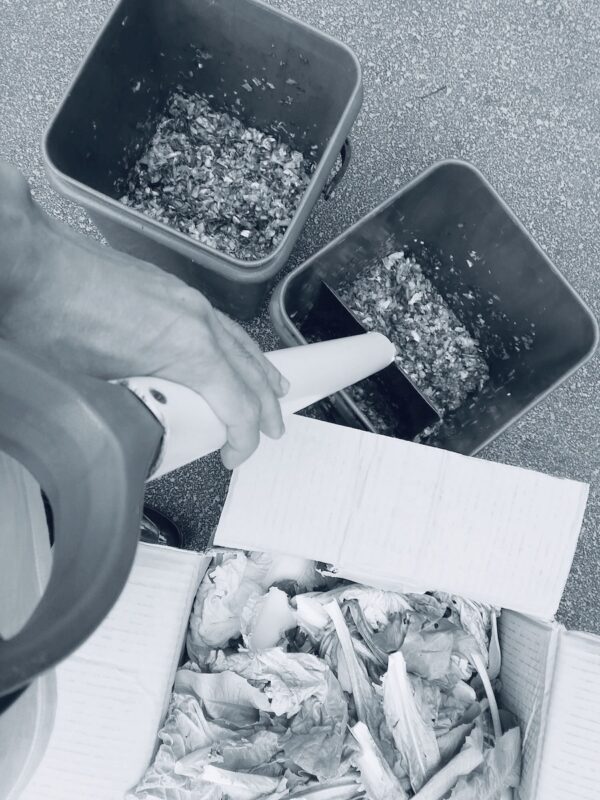
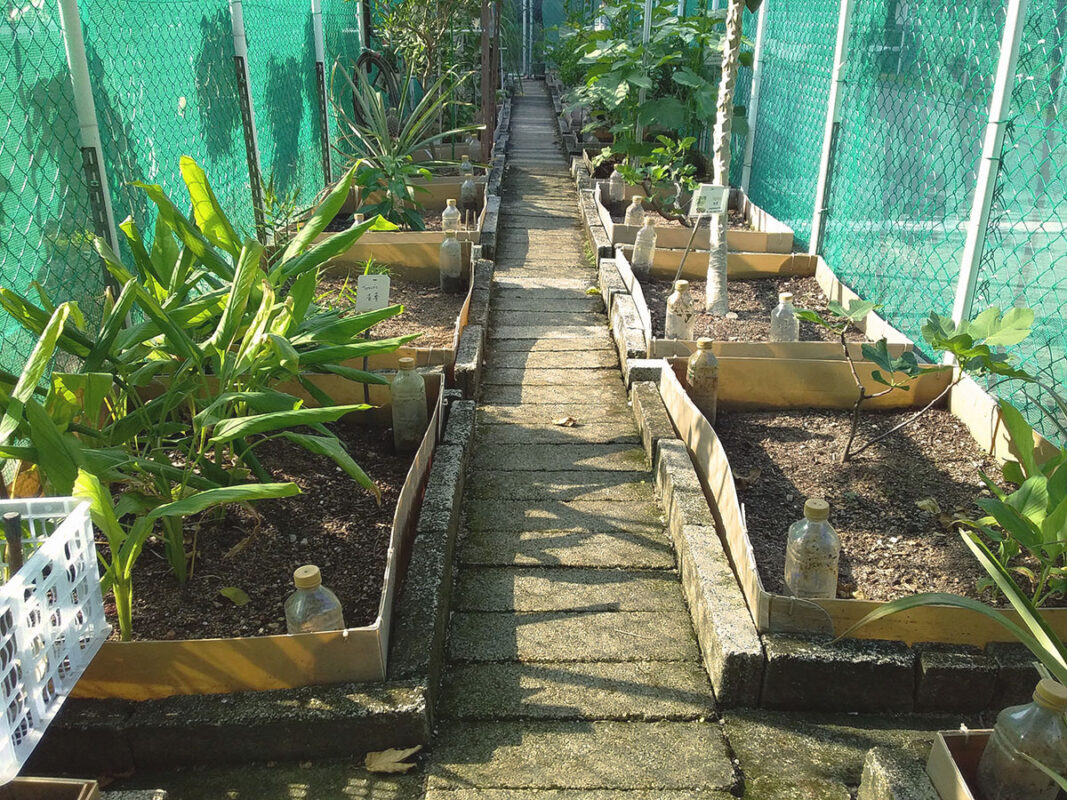
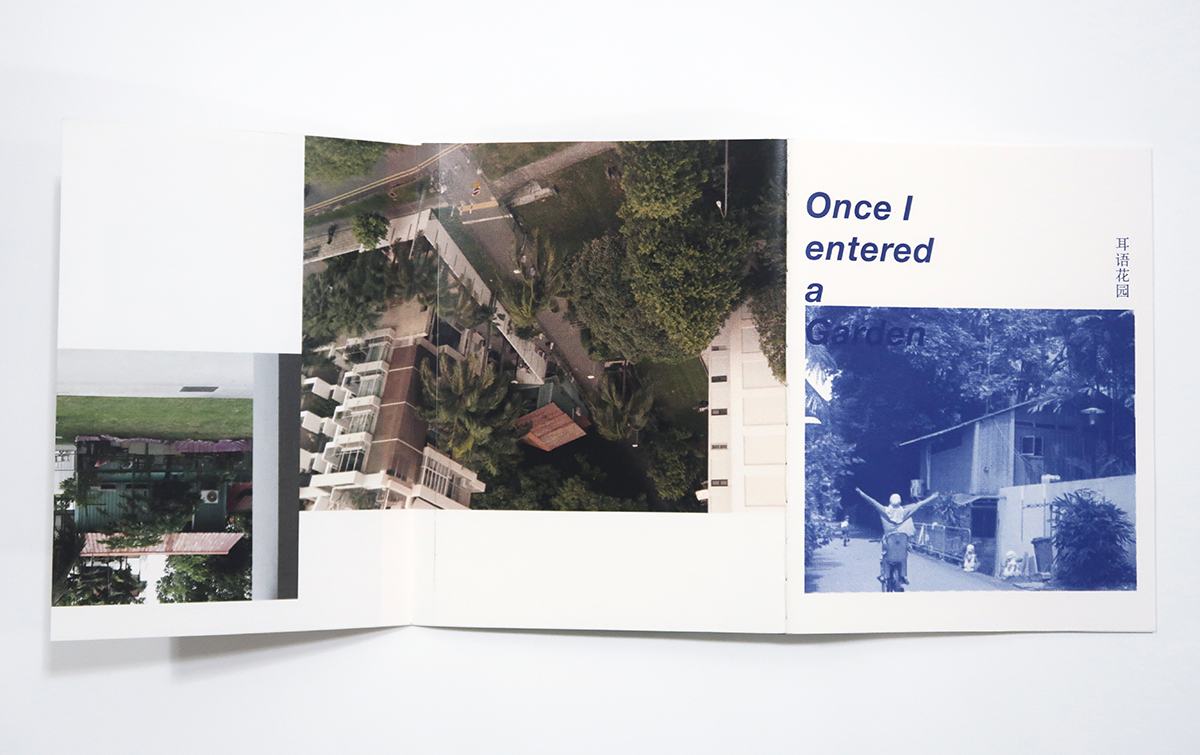
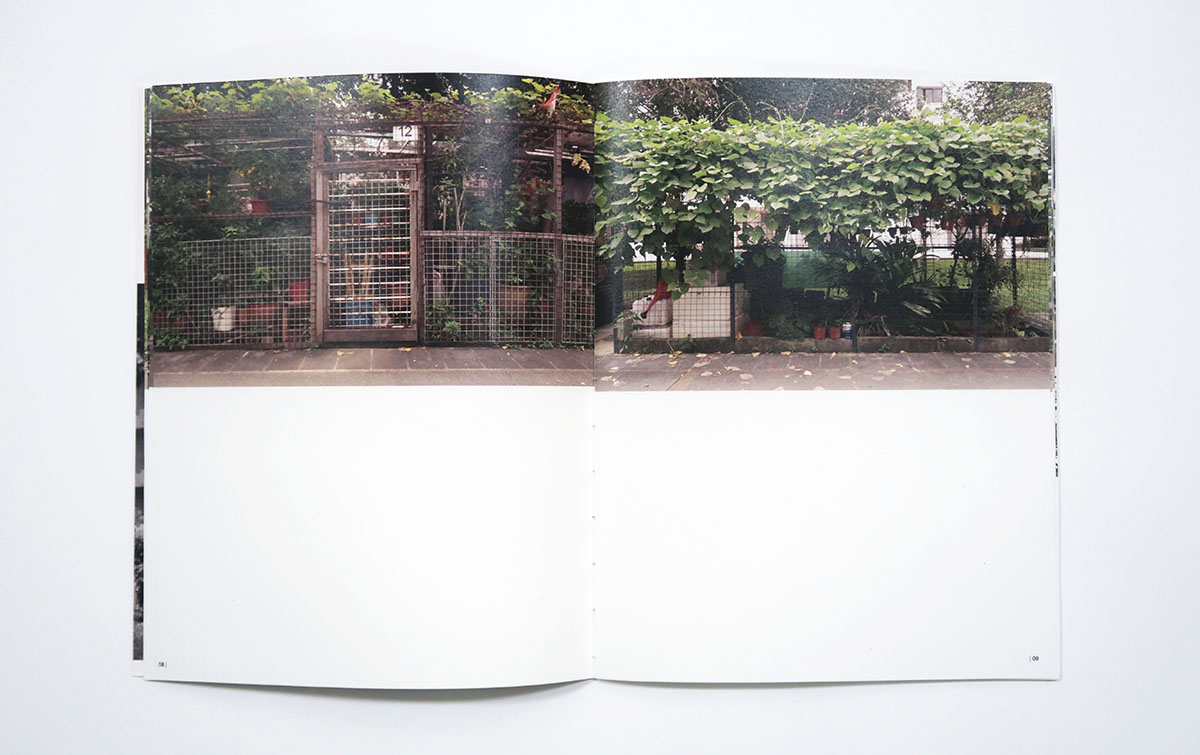
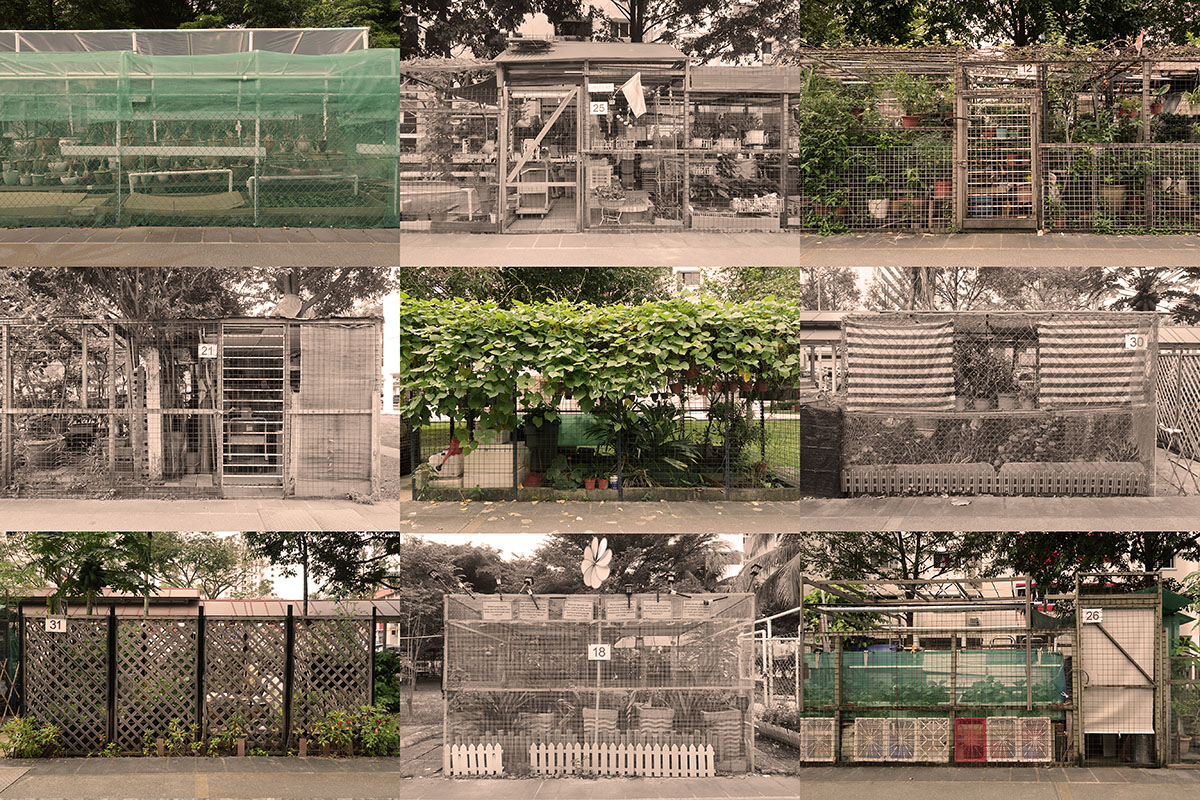
The allotment garden occupies a linear pedestrian walkway stretching from Geylang Road, opposite Wisma Geylang Serai, all the way to East Coast Road near Katong. Today, it is officially designated by NParks as “Haig Walk,” and contains thirty-one garden allotments. I first encountered the site when I noticed a gardener towing a bag of soil from the nearby market; following him, I was led to the gardens. In conversations with the resident gardeners, I came to realize that the park connector had once been the long guiding storm drain I used to walk along when returning home from the former Singapore National Stadium. The drain was cemented over in 2009 to make way for the new connector.
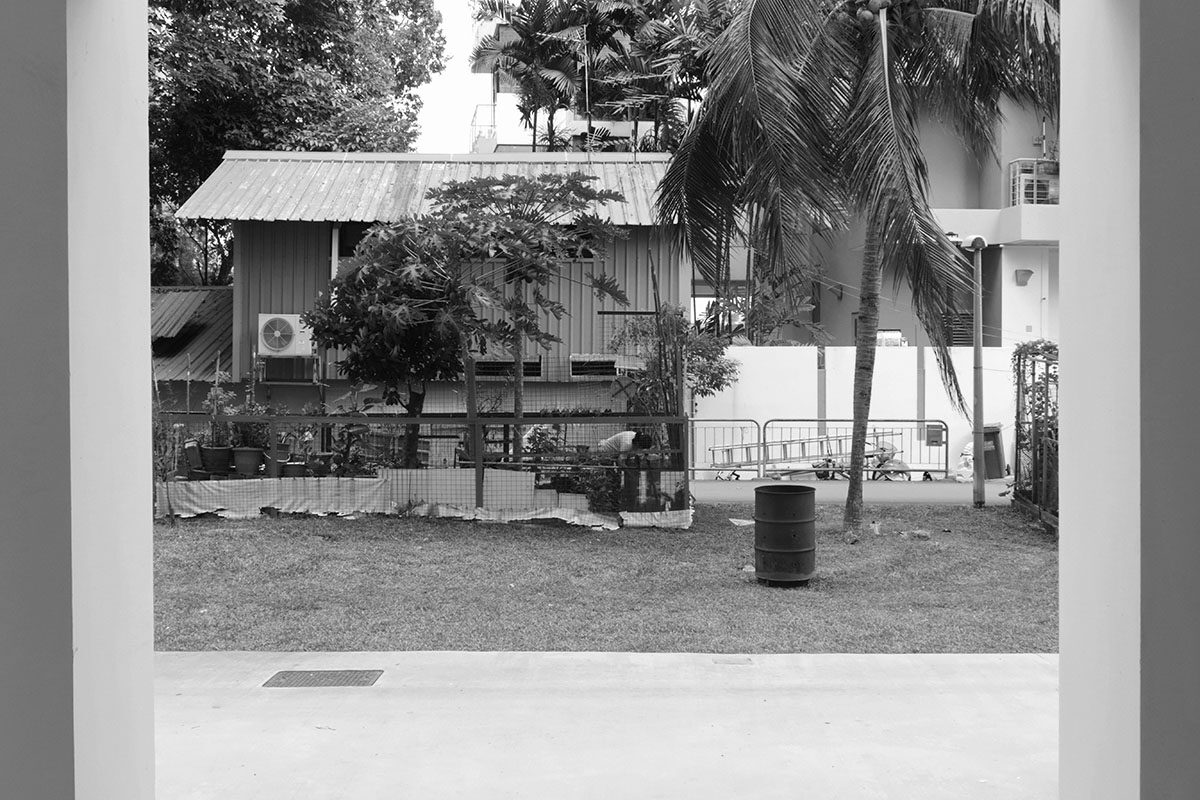
What struck me most about the allotment gardens was the distinct local aesthetic shaped by the resident gardeners themselves: cultural patterns embedded in their cultivation practices, material improvisations, and shared rhythms. Haig Road’s public housing estate, built in 1976, is among the oldest in Singapore. Today, however, the neighbourhood hosts a diverse mix of residents: native Malays, Indians, and Chinese alongside new citizens and economic migrants from both the West and across Asia. The site thus mirrors broader processes of rapid gentrification, symbolically underscored by the presence of a lone attap house, overshadowed by the new apartments that surround it.
This observation brings into focus the ambiguous relationship between people and land in Singapore’s urban landscape. In this sense, the garden-site resists the unyielding, sterile logic of urbanisation, embodying a more fragile yet resilient form of communal life. It has become the backdrop for a project developed with resident gardeners, where we engaged in moments of shared labour and exchange.
Lone attap house along park connector, 2021
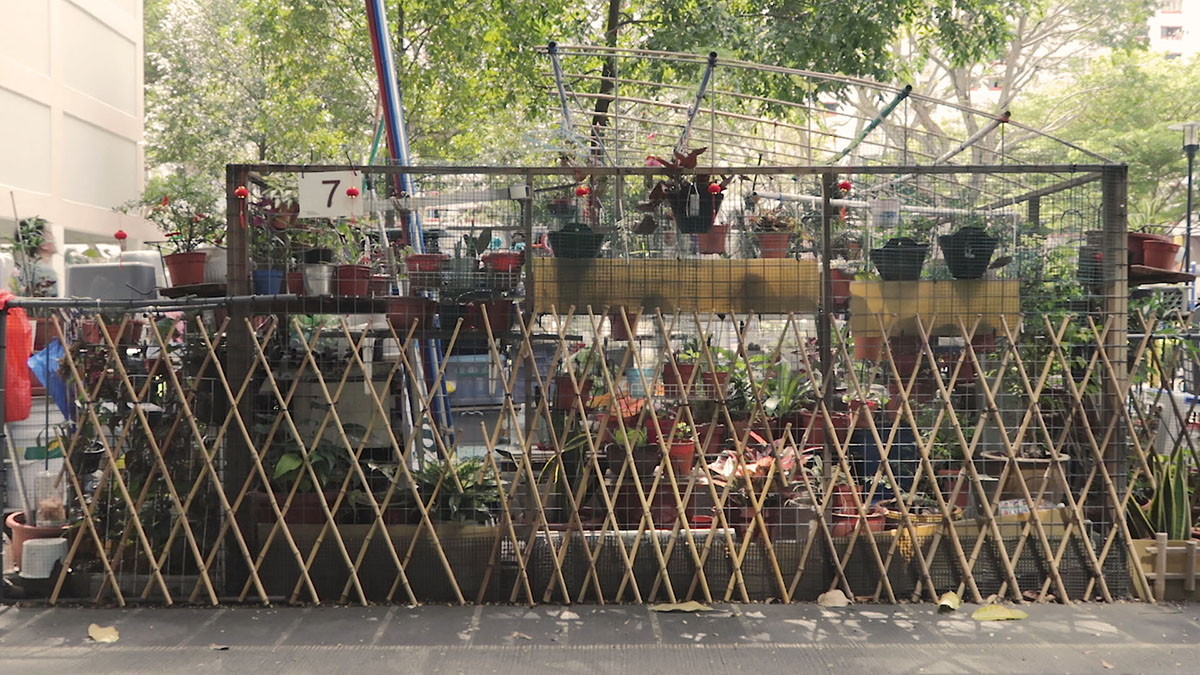
Allotment gardens, 2021
After months assisting the resident gardeners on-site, I began to gain insight into some of the challenges they have faced in recent years. A key issue was the loss of freehold over the sovereign garden site in 2017, when the land was expropriated by the state. As a result, each garden allotment was reassigned a new number, and the imposition of standard guidelines for garden maintenance introduced the risk of losing plots for existing gardeners who failed to comply. There were also discussions about relocating the allotment gardens to another site in the neighbourhood, but these plans were stalled due to apprehensions expressed by some of the senior gardeners.
Taking these circumstances as a premise for intervention, I proposed creating a collective garden on an empty grass patch between allotments 6 and 7. The patch had been identified by the Town Council as having potential for a commemorative plaquette, and the entire site had been formally designated as “Haig Walk.” However, due to a lack of consensus, the program had been delayed.
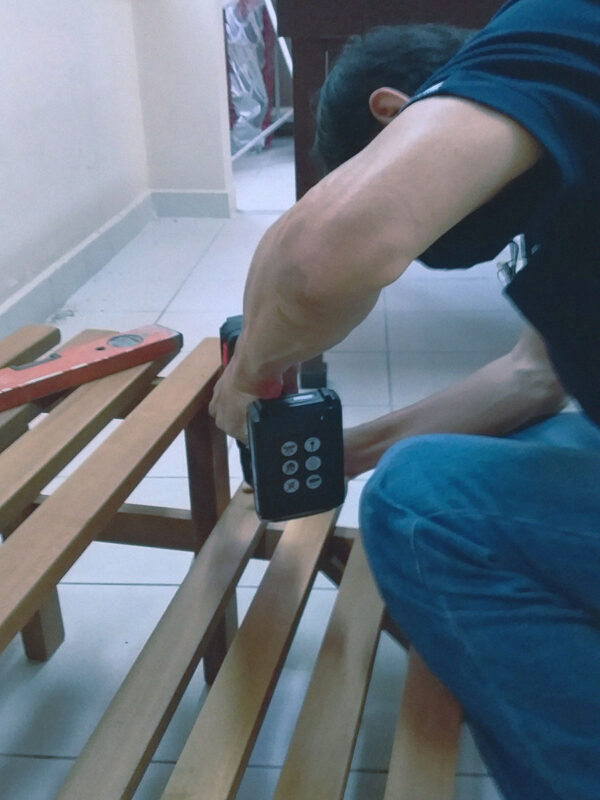
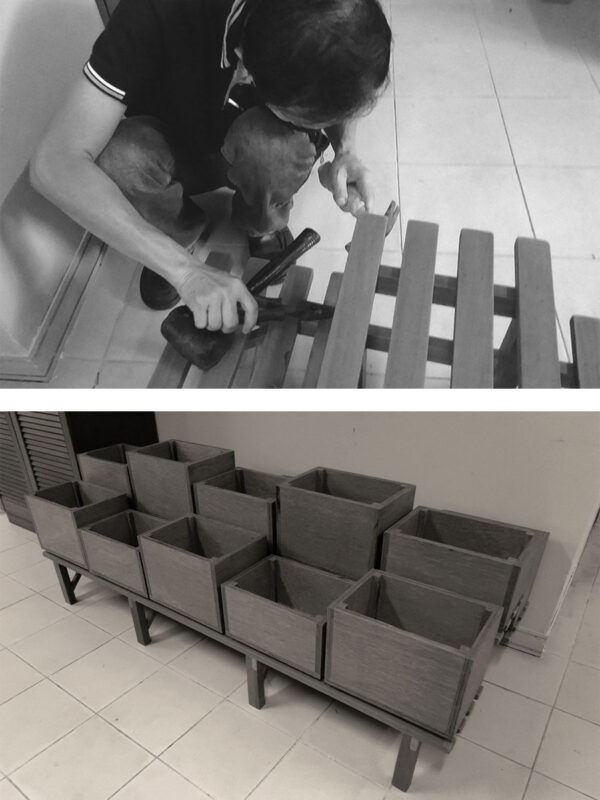
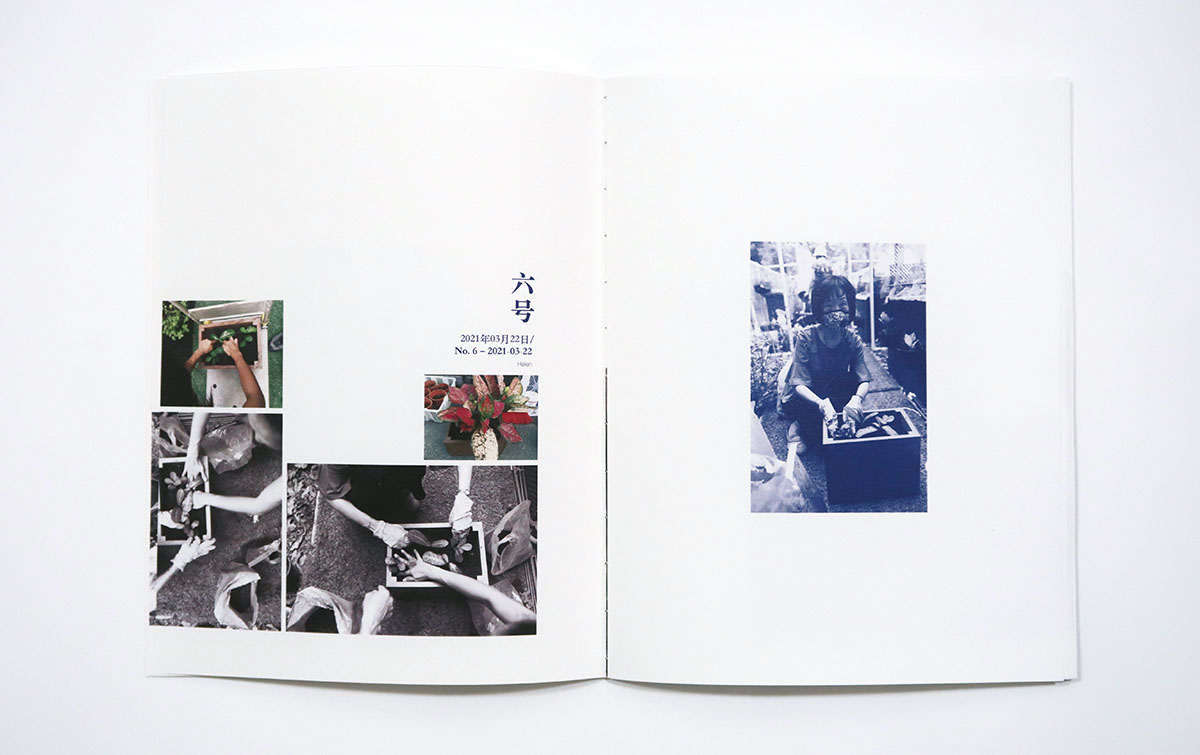
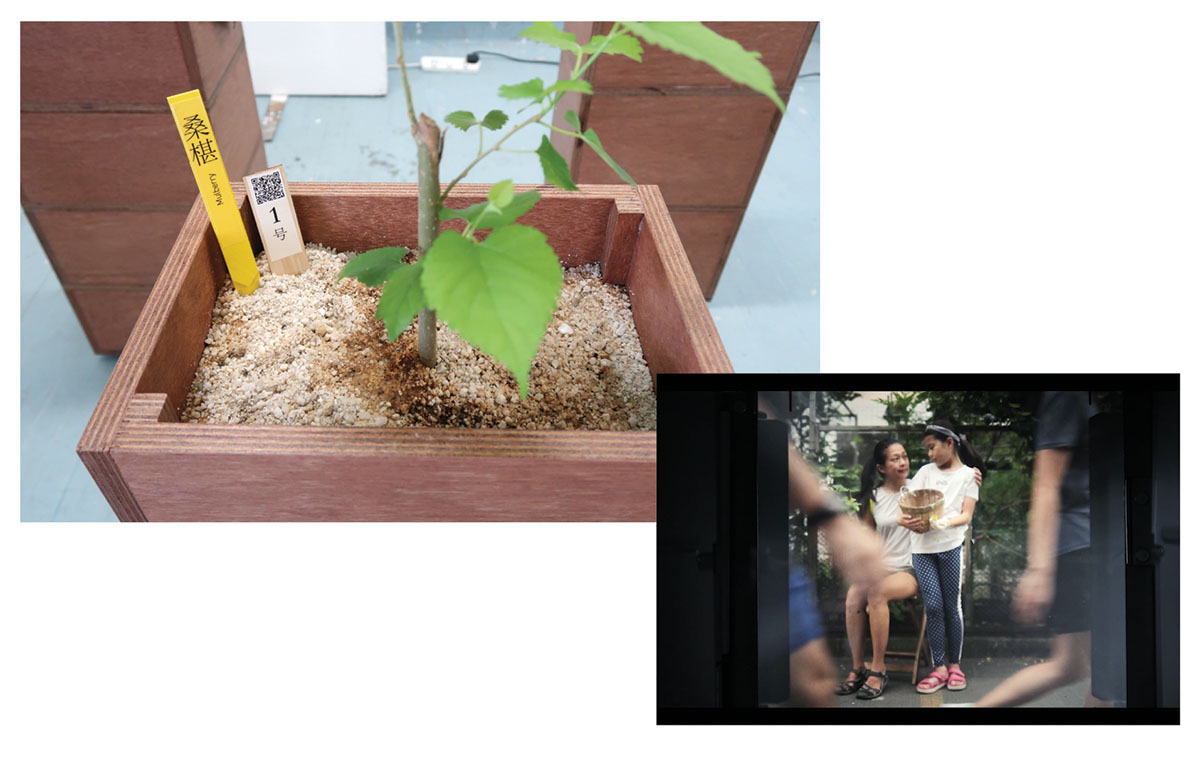
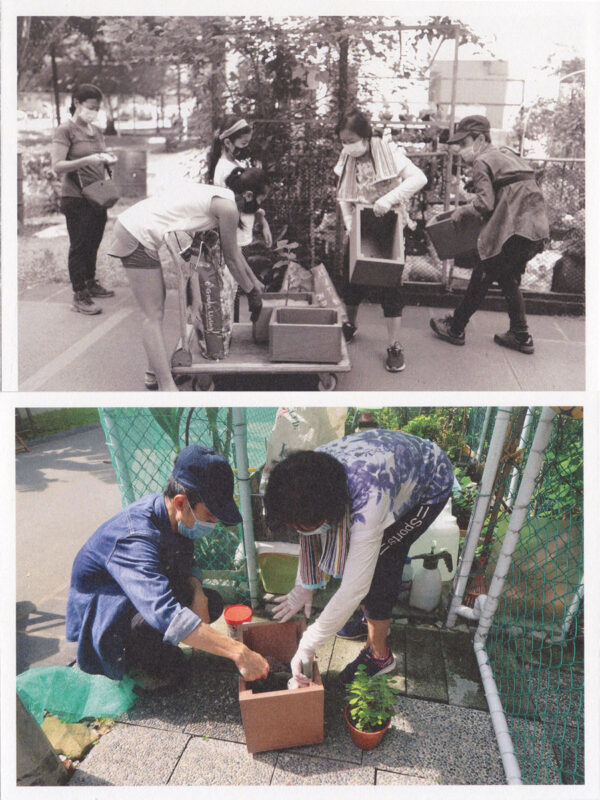
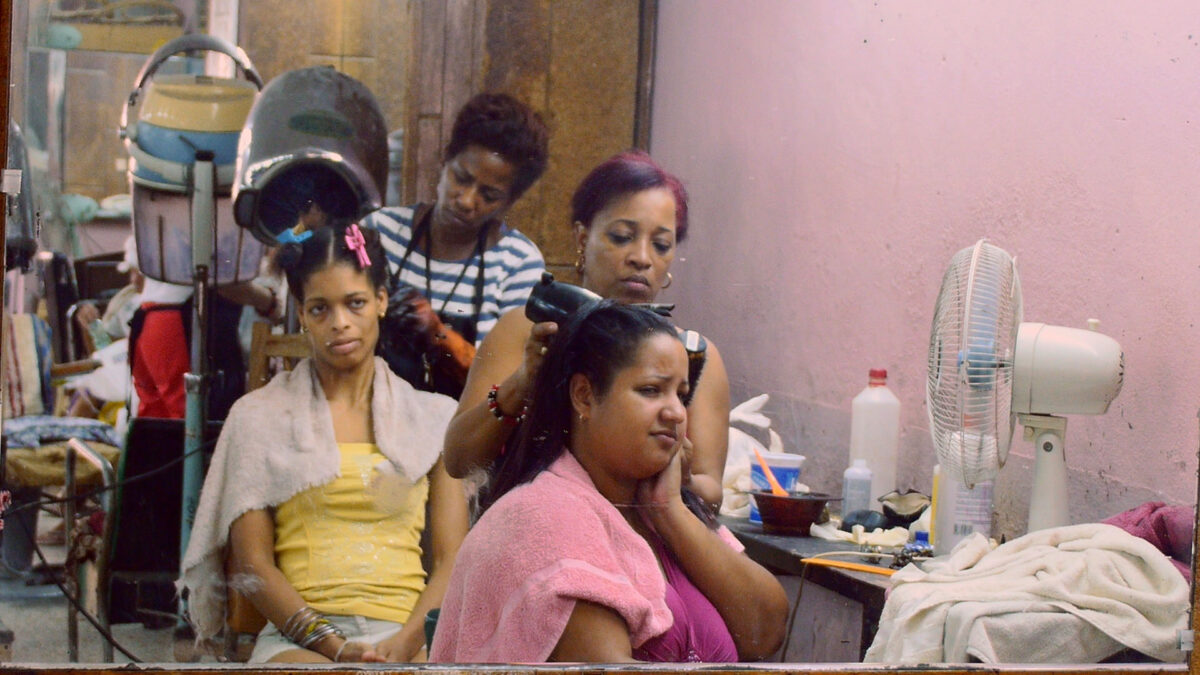
The main structure of our collective garden was developed in consultation with the lead gardeners and constructed by a retired carpenter. Each gardener contributes a crop from their own plot. One pioneering gardener suggested that the collective garden could function as a “legend” of the actual allotment gardens—a scaled-down version, with planter boxes arranged sequentially to mirror the layout of the live plots. I further proposed incorporating moving images via QR codes on each planter box, allowing the public to scan and preview video material in situ. This feature provides passers-by with a glimpse of the gardeners who have maintained and enlivened the park connector with their allotment gardens.
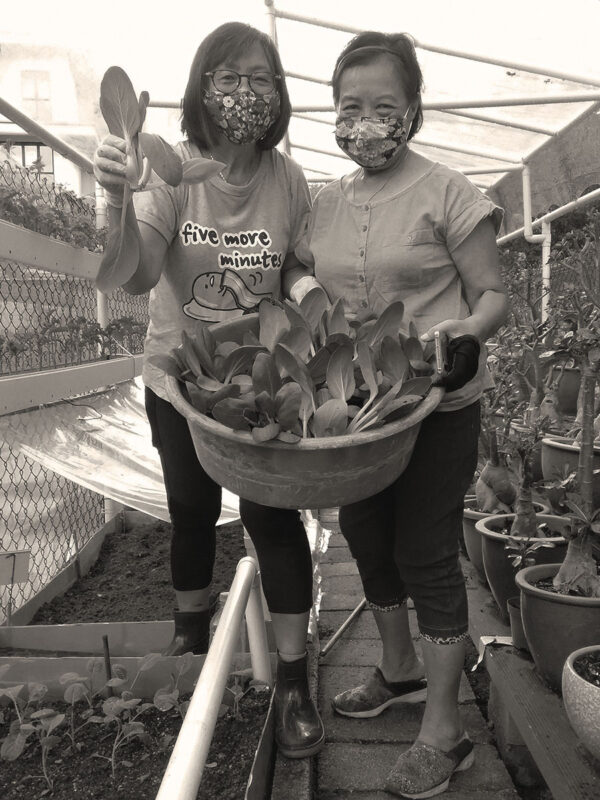
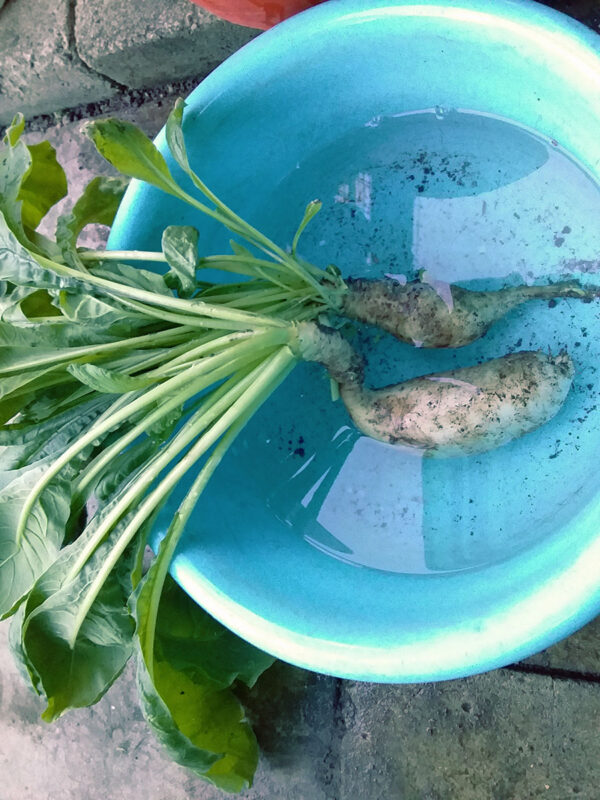
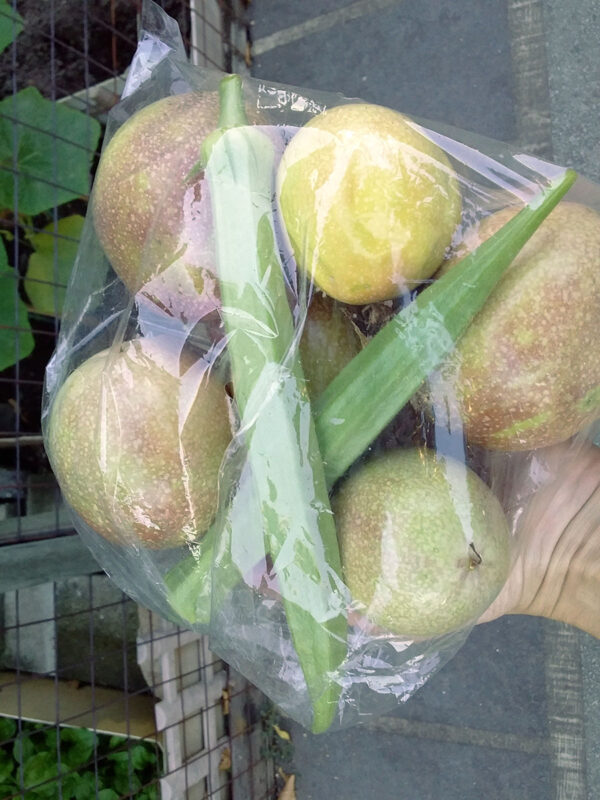
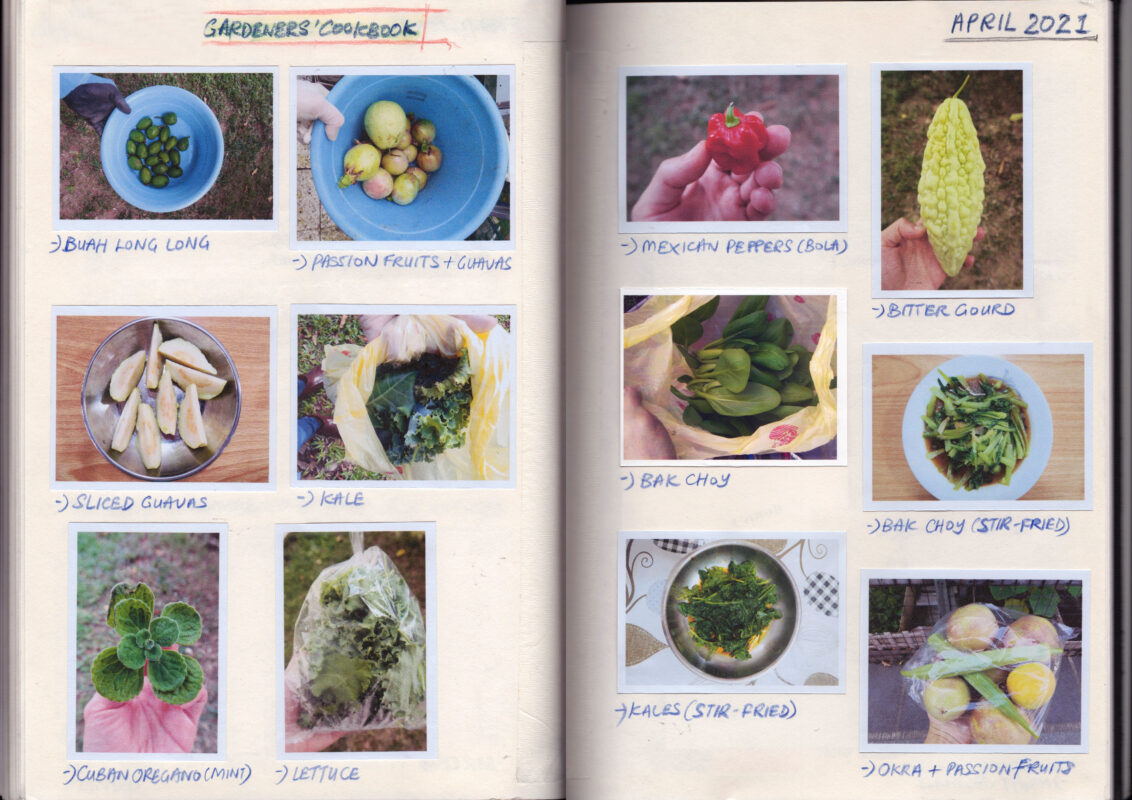
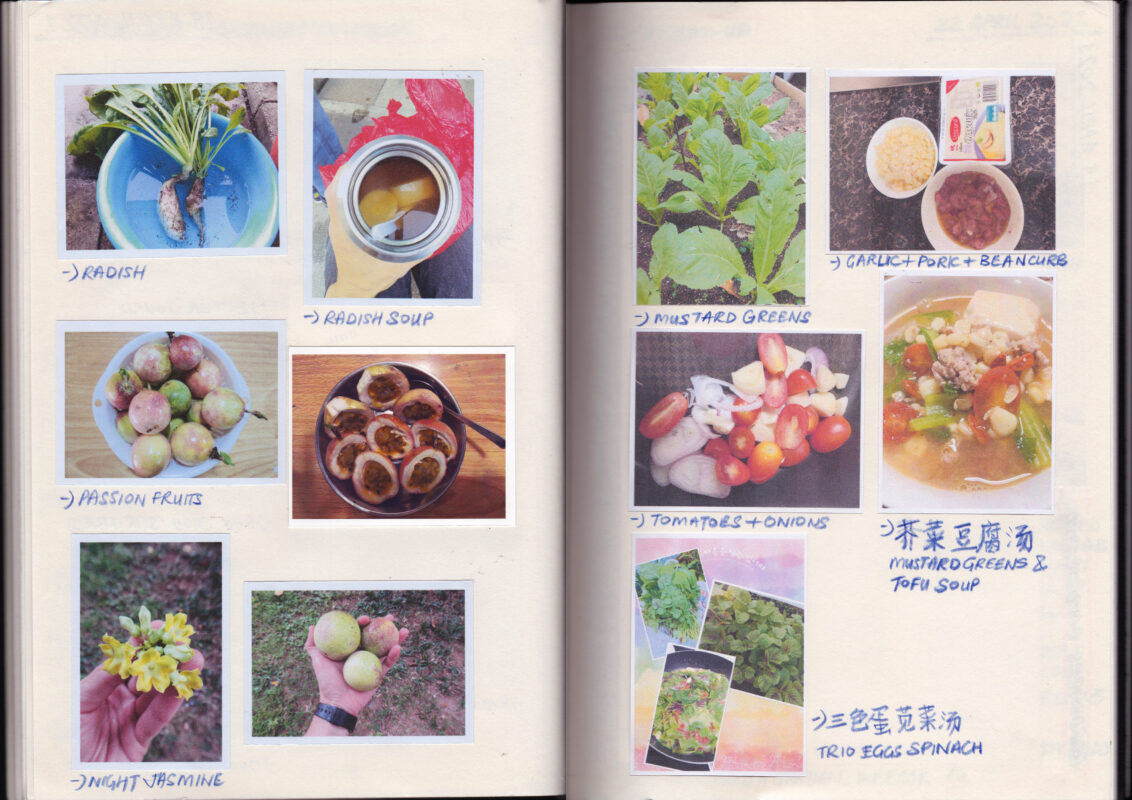
Local produce from the allotment gardens, 2021
Collective planter boxes assemblage at the PA town centre, 2021
What becomes clear is that the project functions as a speculative work, exploring what might occur when the Town Council eventually replaces the collective garden with a plaquette on site—how will our communal relationships intervene in, or influence, that process?
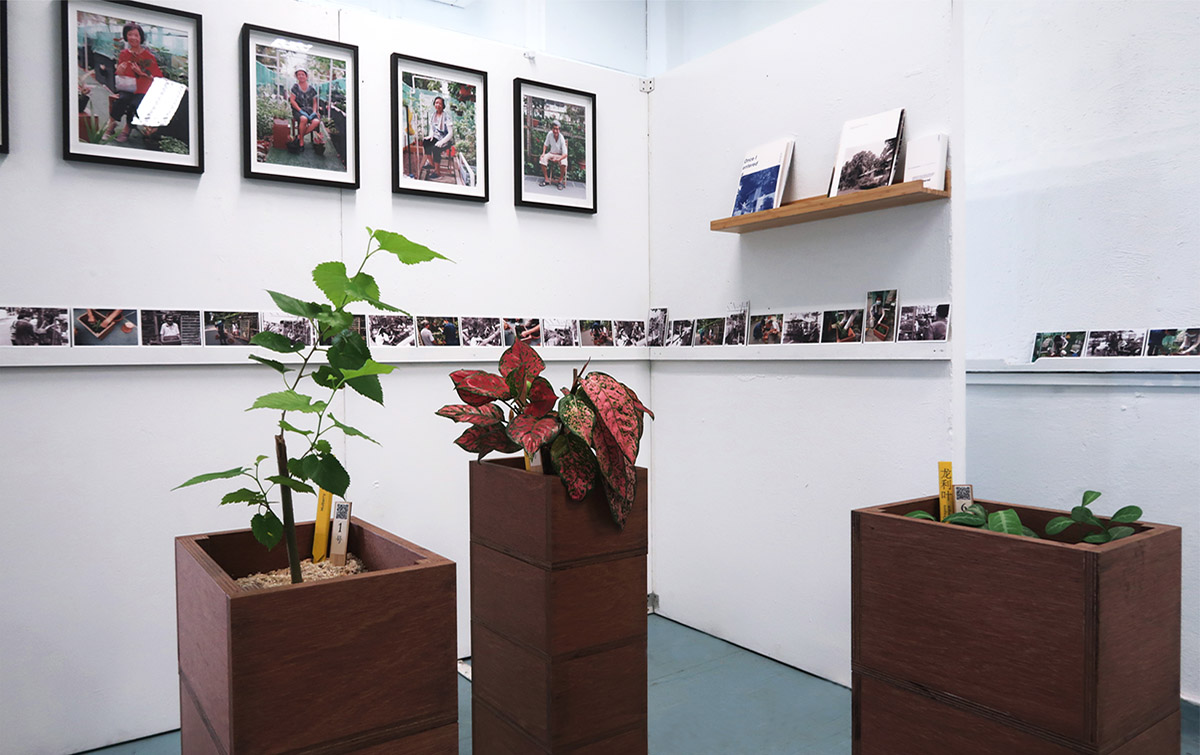
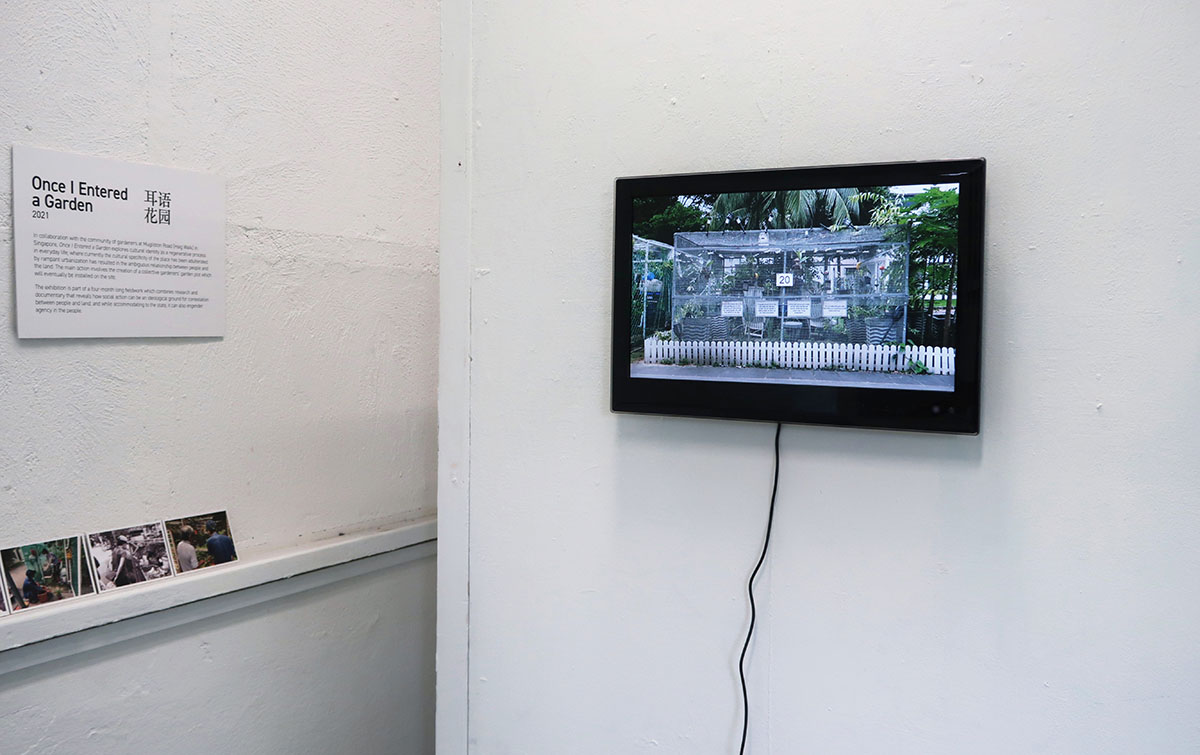
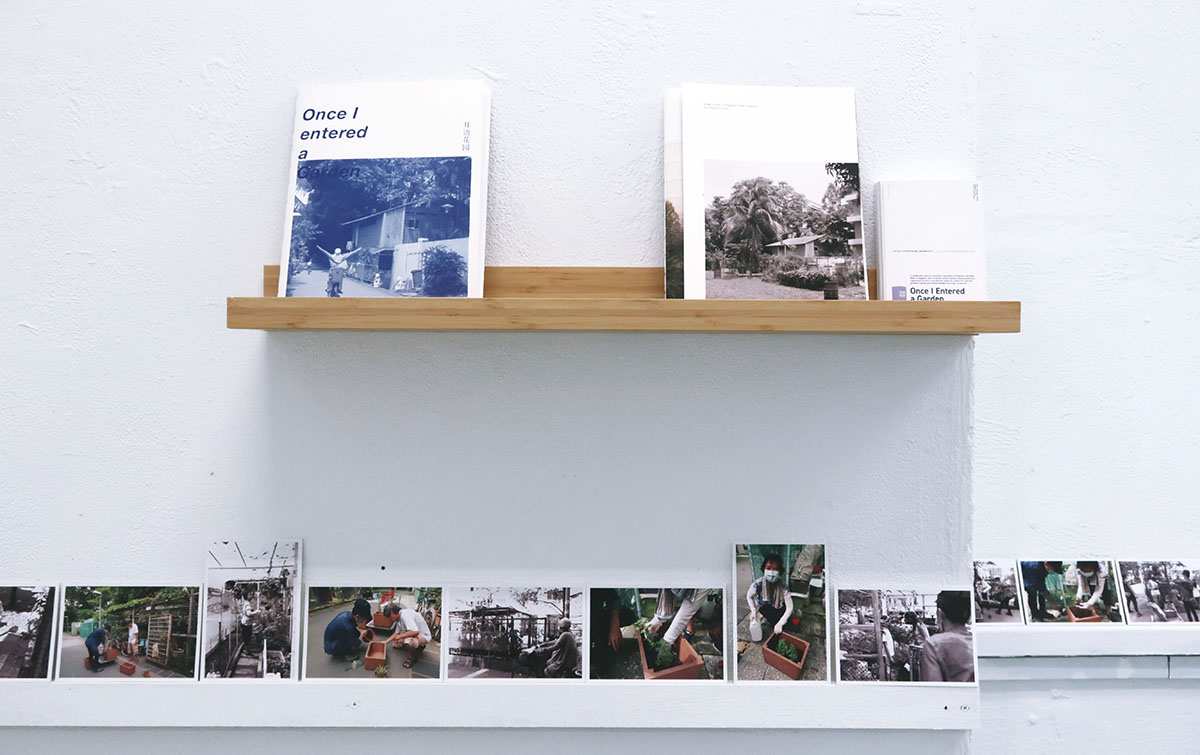
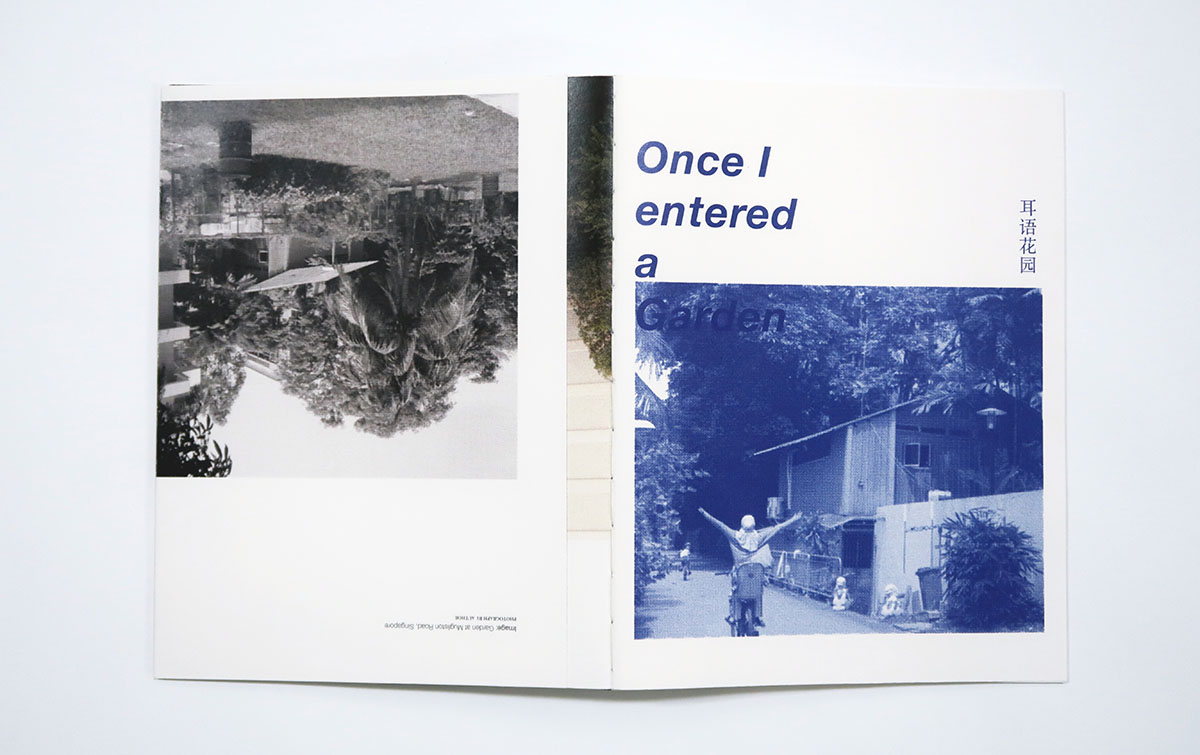
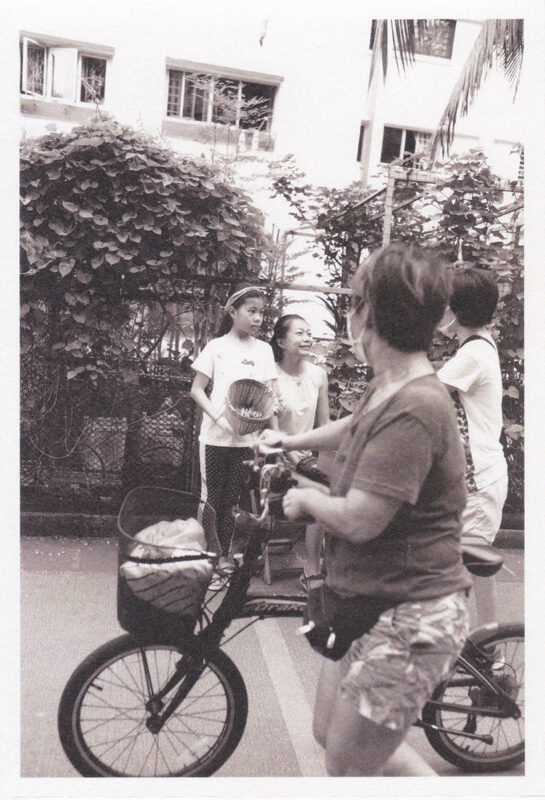
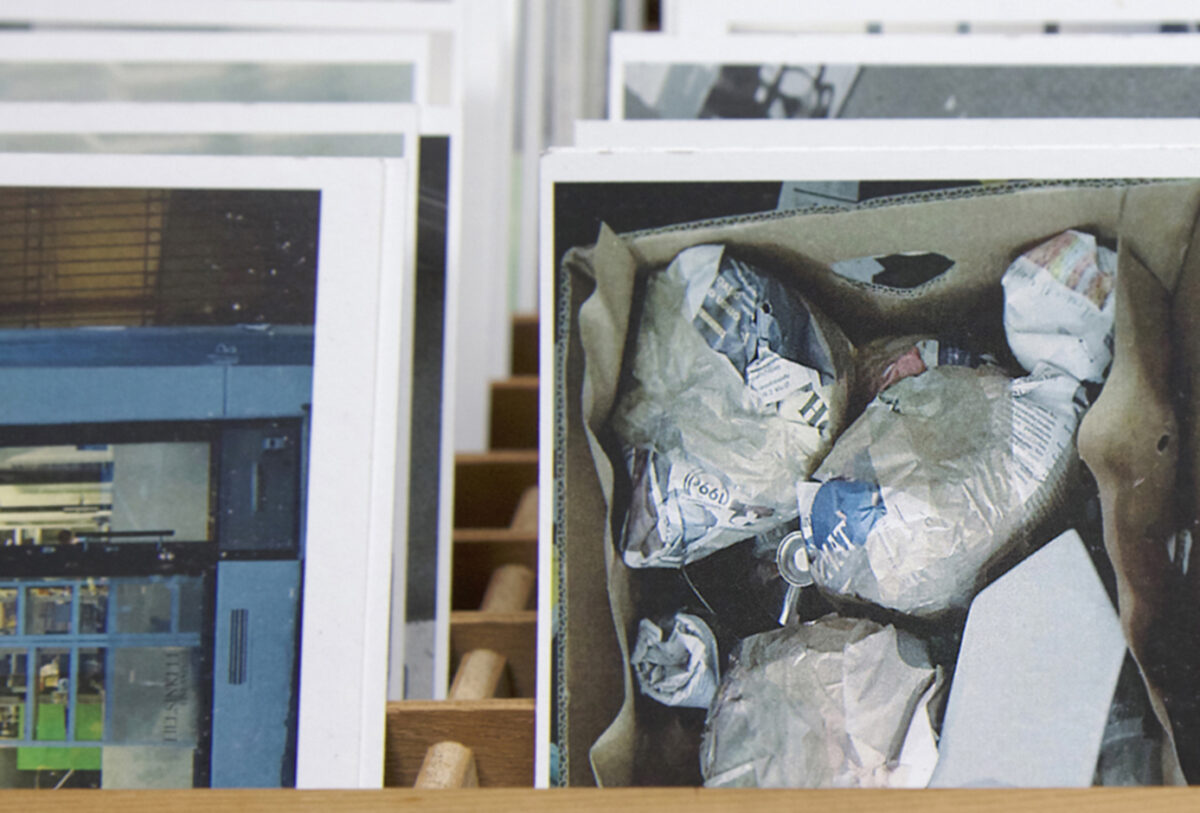
Installation view: wooden planter sculptures, ink-jet portraits by Ivanho Harlim, handmade artist book & postcards, single-channel video installation on TV panel, colour & sound, 2021
Shared produce and recipes, 2021
Thanks to Wang Ruobing, Hilmi Johandi, and Ivanho Harlim & Shysilia Novita